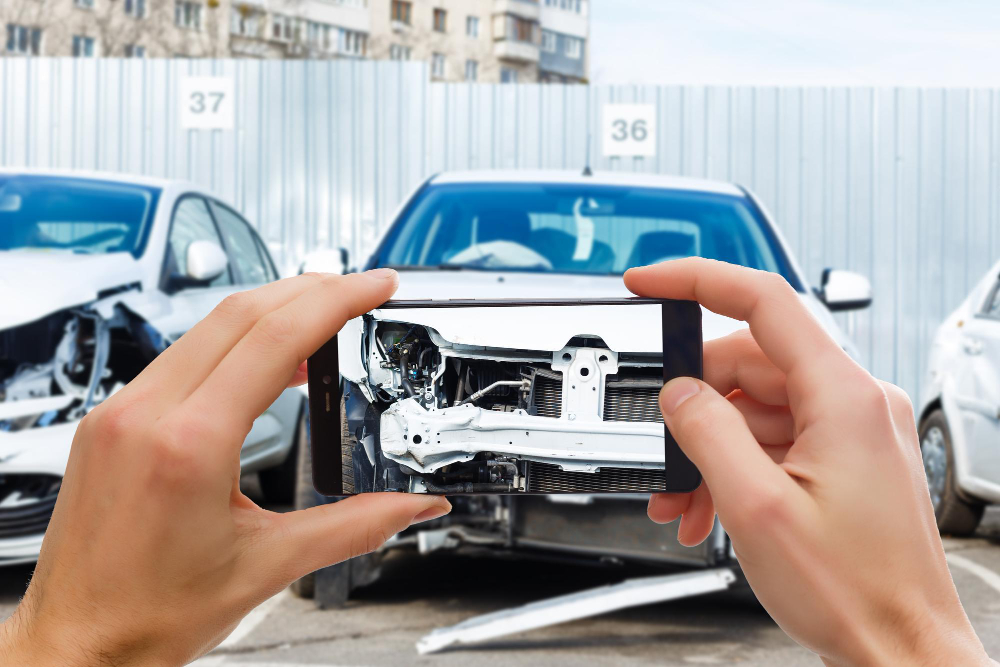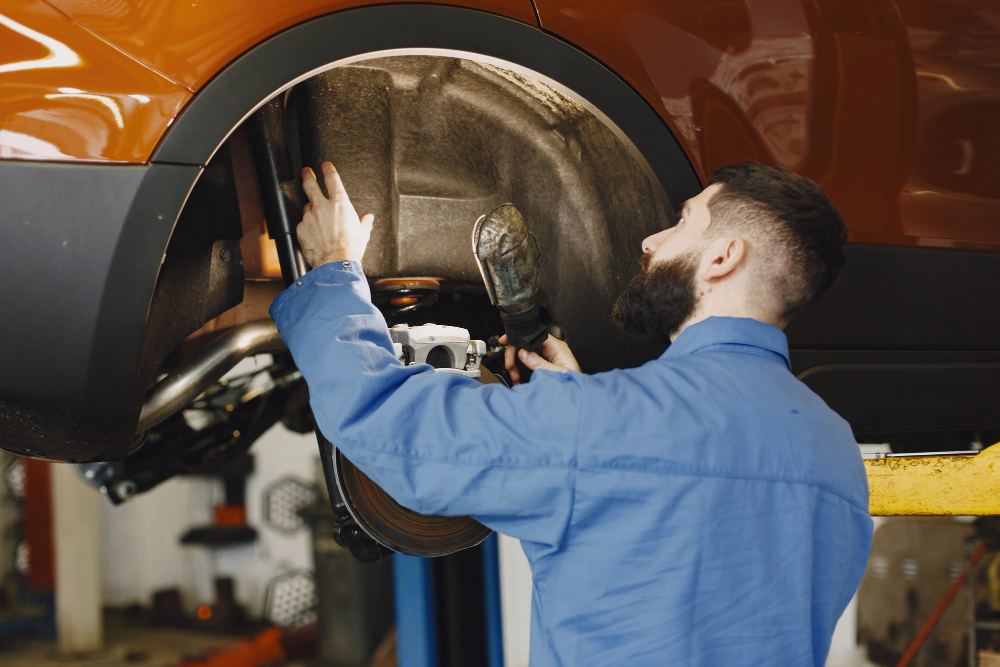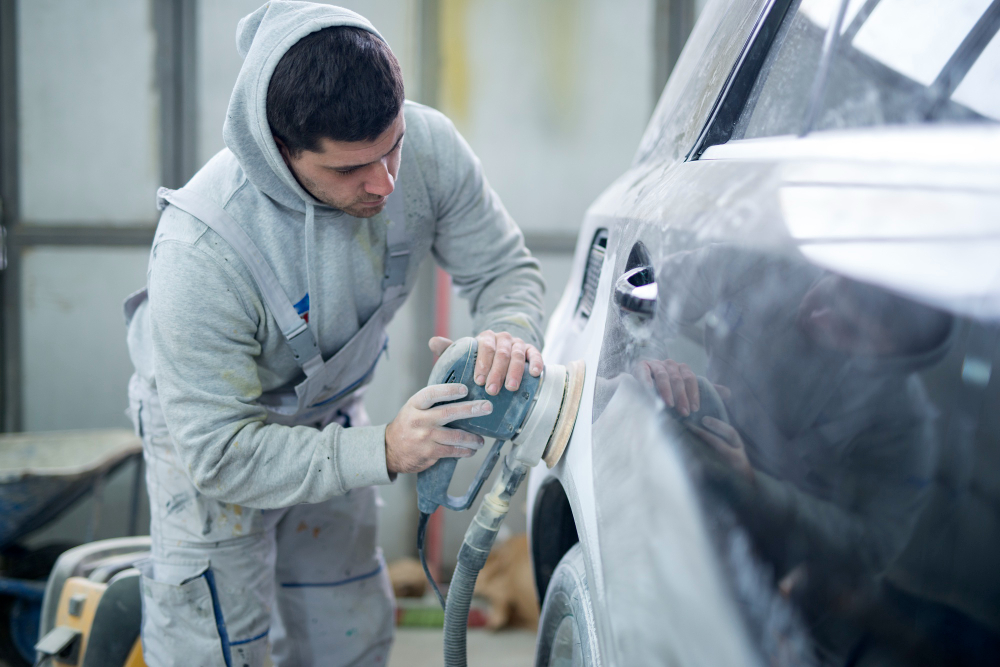


Choosing the right collision repair shop in Mississauga prevents poor repairs, safety risks, insurance disputes, and unnecessary expenses. A reliable auto body shop restores structural integrity, maintains manufacturer standards, and protects vehicle value after an accident. Selecting the wrong repair facility often leads to substandard workmanship, hidden damage, delayed repairs, and long-term performance issues.
Collision damage affects more than a vehicle’s appearance. Proper repairs impact safety systems, alignment, resale value, and long-term reliability. Understanding what to look for in a professional collision repair shop helps drivers avoid costly mistakes and ensures quality repairs.
Below are the most important factors to consider when choosing the right collision repair shop in Mississauga.
1. Verify Proper Certifications and Industry Standards
Certifications indicate professional training, technical expertise, and compliance with industry repair standards. A reputable collision repair shop invests in certified technicians and approved repair procedures.
Certified shops follow manufacturer repair guidelines and industry best practices, ensuring repairs meet safety and quality expectations. Certification also shows a commitment to ongoing training and modern repair techniques.
Key certifications to look for include:
- I-CAR Gold Class certification
- OEM manufacturer certifications
- Licensed auto body technicians
- Compliance with provincial safety regulations
Certifications confirm technical credibility and repair quality. Choosing a certified collision repair shop ensures your vehicle is repaired correctly, safely, and to industry standards.
2. Experience with Collision and Structural Repairs
Collision repair requires specialized experience, especially when dealing with frame damage, airbag systems, and advanced driver-assistance features. Shops with extensive collision repair experience handle complex damage more accurately.
Experienced technicians understand how to assess hidden damage beyond visible dents. Structural repairs demand precision to restore vehicle alignment, crash protection, and handling.
Experience matters for:
- Frame straightening and alignment
- Structural welding and repairs
- Airbag and sensor recalibration
- Post-collision safety inspections
Shops with proven collision repair experience deliver safer and more accurate results. Experience reduces repair errors and prevents long-term vehicle issues.
3. Advanced Diagnostic and Repair Equipment
Modern vehicles require advanced diagnostic tools and repair equipment. Collision damage often affects electronics, sensors, and safety systems that cannot be repaired without proper technology.
Professional repair shops invest in up-to-date equipment to ensure accurate diagnostics and precise repairs. Outdated tools increase the risk of missed damage and improper restoration.
Essential equipment includes:
- Computerized diagnostic scanners
- Frame measuring systems
- Advanced welding and repair tools
- ADAS calibration technology
Proper equipment ensures complete and accurate repairs. Advanced technology allows technicians to restore both performance and safety features.
4. Transparency in Estimates and Repair Process
Clear communication and transparent estimates prevent misunderstandings and unexpected costs. A trustworthy collision repair shop explains the repair process in detail before work begins.
Detailed estimates outline labor, parts, timelines, and repair methods. Transparency allows customers to understand what repairs are necessary and why.
A transparent shop provides:
- Written repair estimates
- Clear explanations of damage
- Honest repair timelines
- Updates throughout the repair process
Transparency builds trust and prevents billing surprises. Clear estimates help customers make informed decisions without pressure.
5. Use of Quality Replacement Parts
The type of replacement parts used impacts safety, performance, and resale value. Quality collision repair shops prioritize parts that meet manufacturer standards.
Inferior parts may compromise fit, durability, and crash protection. Using approved parts ensures proper function and long-term reliability.
Common part options include:
- OEM (Original Equipment Manufacturer) parts
- OEM-approved aftermarket parts
- Certified recycled components
Quality parts protect vehicle integrity and safety. Choosing a shop that uses reliable parts prevents future repairs and performance issues.
6. Insurance Claim Assistance and Coordination
Handling insurance claims after a collision can be stressful and time-consuming. Reputable collision repair shops assist with insurance coordination to streamline the process.
Experienced shops understand insurer requirements and documentation standards. This helps avoid claim delays and ensures repairs are approved correctly.
Insurance support may include:
- Direct communication with insurers
- Claim documentation assistance
- Approved repair procedures
- Billing coordination
Conclusion: Insurance assistance simplifies the repair process. Professional coordination reduces delays and helps ensure fair claim handling.
7. Warranty on Collision Repairs
A warranty reflects confidence in workmanship and repair quality. Reliable collision repair shops stand behind their repairs with written warranties.
Warranties cover defects in labor and materials, offering peace of mind after repairs are completed.
Typical warranty coverage includes:
- Paint and finish durability
- Structural repair workmanship
- Installation-related issues
Repair warranties protect customers from future issues. Warranty coverage shows accountability and commitment to quality.
8. Reputation and Customer Reviews
Customer feedback provides insight into service quality, professionalism, and repair outcomes. Reviews help identify consistent performance and customer satisfaction.
A reputable collision repair shop maintains a strong local reputation through reliable service and quality repairs.
Review sources to check:
- Google reviews
- Local business directories
- Word-of-mouth recommendations
Positive reviews indicate reliability and trustworthiness. Customer experiences help validate repair quality and service standards.
9. Turnaround Time and Repair Efficiency
Repair timelines matter, especially for daily commuters. While quality should never be rushed, efficient repair processes reduce inconvenience.
Professional shops balance accuracy with efficiency by using organized workflows and experienced technicians.
Factors affecting turnaround time include:
- Damage severity
- Parts availability
- Repair complexity
- Insurance approval timelines
Efficient repairs minimize downtime without sacrificing quality. Reliable shops provide realistic timelines and consistent updates.
10. Compliance with Safety and Manufacturer Standards
Collision repairs must restore vehicles to pre-accident safety standards. Compliance ensures structural integrity, crash protection, and system functionality.
Improper repairs compromise safety systems and may void warranties or fail inspections.
Safety compliance includes:
- Manufacturer repair guidelines
- Structural alignment specifications
- Sensor and airbag recalibration
- Post-repair safety inspections
Safety compliance is non-negotiable. Proper repairs protect passengers and ensure roadworthiness.
Common Mistakes to Avoid When Choosing a Collision Repair Shop
Choosing based on price alone often leads to poor results. Low-cost repairs may cut corners, use inferior parts, or skip essential procedures.
Avoid these common mistakes:
- Selecting the cheapest estimate without review
- Ignoring certifications and experience
- Overlooking warranty coverage
- Skipping customer reviews
- Accepting vague repair explanations
Addressing collision damage correctly the first time prevents repeated repairs, unexpected costs, and ongoing stress. Choosing a trusted, experienced collision repair shop in Mississauga ensures your vehicle remains road-safe, dependable, and protected for the long run.
Why Choosing the Right Collision Repair Shop Is So Important?
Mississauga’s traffic density, highways, and weather conditions demand properly repaired vehicles. Poor collision repairs increase accident risks and reduce vehicle lifespan. Professional collision repair ensures:
- Safe vehicle operation
- Long-term mechanical reliability
- Maintained resale and trade-in value
- Compliance with provincial and manufacturer safety standards
- Correct frame alignment and structural integrity
- Accurate paint matching and corrosion protection
- Proper functioning of advanced driver assistance systems (ADAS)
Addressing collision damage correctly the first time saves time, prevents repeat repairs, reduces long-term costs, and gives drivers peace of mind on Mississauga roads.
Final Conclusion
Choosing the right collision repair shop in Mississauga is essential to avoid costly mistakes, safety risks, and long-term vehicle problems. Certifications, experience, advanced equipment, transparent estimates, quality parts, and warranty coverage all play a critical role in ensuring proper repairs.
Collision damage affects structural integrity, safety systems, and overall performance, making professional repair a necessity rather than an option. Reliable repair shops restore vehicles to manufacturer standards while providing honest communication and dependable service.
Spartan Collision delivers expert collision repair services with certified technicians, modern technology, and a commitment to safety and quality. Selecting the right repair shop protects your investment, ensures road safety, and provides confidence every time you drive.
FAQs
1. How do I choose the best collision repair shop in Mississauga?
The best collision repair shop in Mississauga has certified technicians, modern repair equipment, transparent estimates, strong customer reviews, and warranty-backed repairs. Experience with insurance claims and manufacturer repair standards is also essential for quality results.
2. Does insurance require me to use a specific collision repair shop?
No, insurance companies cannot force you to use a specific repair shop. You have the legal right to choose any collision repair facility in Mississauga that meets professional standards and repair requirements.
3. How long does collision repair usually take?
Collision repair timelines vary based on damage severity, parts availability, and insurance approval. Minor repairs may take a few days, while structural or frame repairs can take one to three weeks or longer.
4. Are OEM parts important for collision repair?
Yes, OEM parts ensure proper fit, safety, and manufacturer compliance. They help maintain vehicle performance, crash protection, and resale value compared to lower-quality alternatives.
5. What certifications should a collision repair shop have?
A reputable collision repair shop should have I-CAR certification, licensed auto body technicians, and manufacturer or OEM certifications where applicable. These credentials confirm proper training and repair standards.
6. Will poor collision repair affect my car’s resale value?
Yes, improper repairs can significantly reduce resale value. Misaligned panels, poor paint matching, and hidden structural damage negatively impact buyer confidence and vehicle appraisal.
7. Should I get a warranty on collision repairs?
Yes, professional collision repair shops provide written warranties covering workmanship and materials. Warranties protect against future defects and demonstrate confidence in repair quality.
8. Why should I choose a local Mississauga collision repair shop?
Local collision repair shops understand Mississauga road conditions, insurance processes, and provincial safety standards. Proximity also allows easier communication, inspections, and follow-up service if needed.