
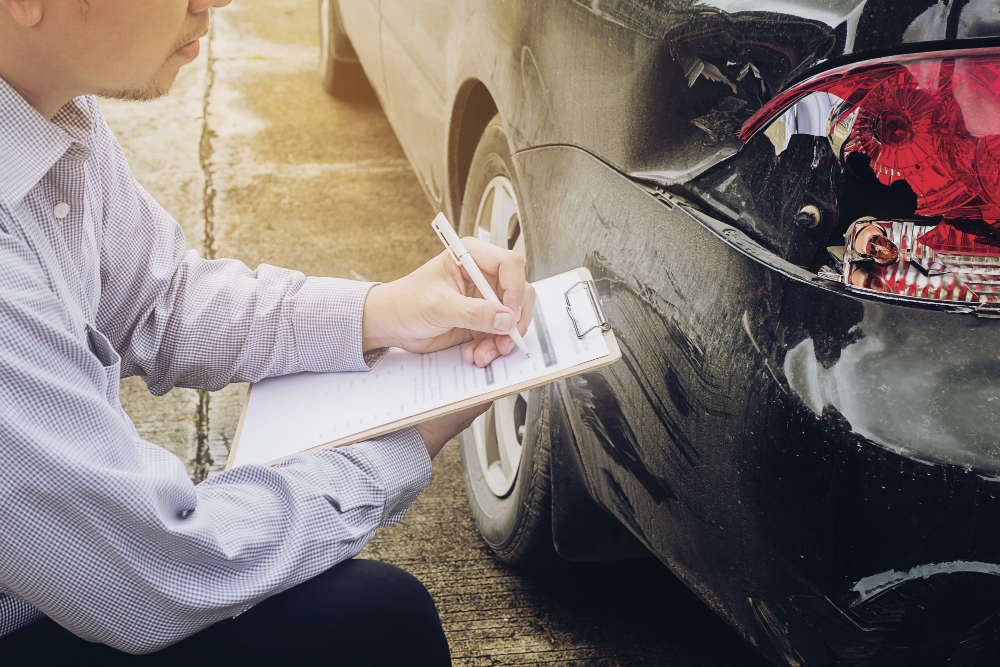
Insurance does cover collision repairs in Ontario, but the extent of coverage depends on your policy type, fault status, and the details of your claim. In most cases, drivers with collision coverage or comprehensive auto insurance can get repair costs covered either partially or fully after an accident. However, deductibles, claim conditions, and insurer policies play a major role in determining how much is actually paid.
If you are dealing with vehicle damage after an accident, understanding how insurance works can help you avoid delays, reduce out of pocket costs, and make better decisions during the repair process. Let’s understand how this works in real situations and what you should expect when filing a claim.
What You Need to Know About Collision Insurance in Ontario
Collision insurance is designed to cover damage to your vehicle caused by an accident, regardless of who is at fault. It works as part of your overall auto insurance policy and helps manage repair costs after unexpected incidents.
What Collision Coverage Includes
Collision coverage pays for damage caused by accidents such as hitting another vehicle, striking an object, or losing control of your car. It applies even if the accident is your fault.
Role of Deductibles
A deductible is the amount you pay before your insurance covers the remaining repair cost. Higher deductibles usually mean lower monthly premiums but higher upfront payment during a claim.
When Coverage Applies
Coverage applies only if you have added collision insurance to your policy. Basic insurance plans may not include it, so it is important to review your policy details carefully.
Collision insurance helps manage repair costs, but coverage depends on your policy and deductible terms.
What Types of Damage Are Covered by Insurance?
Insurance policies in Ontario cover different types of vehicle damage depending on the level of protection you have selected. Understanding this helps avoid confusion when filing a claim.
Accident Related Damage
Damage caused by collisions with other vehicles or objects is typically covered under collision insurance. This includes dents, structural damage, and impact related issues.
Non Collision Damage
Comprehensive coverage handles damage from theft, fire, vandalism, or weather related incidents such as hail or falling objects.
Partial vs Full Coverage
Some policies cover full repair costs minus deductible, while others may limit coverage depending on vehicle value and policy terms.
Coverage varies based on policy type, so knowing what your plan includes is essential before making a claim.
Does Fault Affect Your Insurance Claim?
Fault plays an important role in how insurance claims are handled in Ontario. While repair coverage may still apply, fault can influence future premiums and claim outcomes.
At Fault Accidents
If you are at fault, your collision insurance will still cover repairs, but you will need to pay your deductible and may face higher premiums later.
Not At Fault Accidents
If another driver is responsible, their insurance typically covers your repair costs. Your insurer may handle the claim and recover costs from the other party.
No Fault System in Ontario
Ontario follows a no fault insurance system, meaning you deal with your own insurance company regardless of who caused the accident.
Fault does not stop coverage, but it affects how claims are processed and how much you pay.
What to Do After a Collision to File Your Insurance Claim
Taking the right steps after an accident helps speed up your insurance claim and ensures smooth repair processing. Delays or missing information can affect your claim approval.
Report the Incident
Inform your insurance company as soon as possible and provide accurate details about the accident.
Document the Damage
Take clear photos of vehicle damage, the accident scene, and any relevant details that support your claim.
Choose a Repair Shop
You can choose a trusted collision repair shop that works with insurance companies to simplify the process.
Proper documentation and timely reporting make the claim process faster and more reliable.
How the Right Repair Shop Impacts Your Vehicle After a Collision
The quality of your repair depends heavily on the workshop you choose. Not all repair shops offer the same level of service, equipment, or expertise.
Certified Technicians
Professional collision repair shops have trained technicians who understand modern vehicle systems and repair methods.
Insurance Coordination
Experienced shops communicate directly with insurance providers to handle approvals and reduce delays.
Quality and Safety Standards
Proper repairs restore both the appearance and structural safety of your vehicle, which is essential for long term performance.
Choosing the right repair shop ensures your vehicle is repaired correctly and safely.
Common Situations Where Insurance May Not Cover Repairs
There are certain situations where insurance may not fully cover repair costs. Understanding these helps avoid unexpected expenses.
Lack of Coverage
If your policy does not include collision or comprehensive coverage, you may have to pay for repairs yourself.
Policy Violations
Driving under restricted conditions or violating policy terms can lead to claim rejection.
Wear and Tear
Insurance does not cover regular wear and tear or mechanical issues unrelated to accidents.
Not all damage is covered, so reviewing your policy helps avoid surprises.
Spartan Collision Professional Repair Services in Ontario
At Spartan Collision, we provide professional collision repair services designed to handle insurance based repairs with accuracy and efficiency. We work closely with insurance companies to simplify the process for our customers and reduce unnecessary stress during claims.
Our team focuses on proper damage assessment, structured repair planning, and high quality workmanship to restore your vehicle to its original condition. From minor dents to major collision damage, every repair is handled with attention to detail and industry standard techniques.
We support our customers throughout the entire process, from initial inspection to final delivery, making sure everything is handled clearly and professionally.
Final Thoughts
Insurance coverage for collision repairs in Ontario depends on your policy, the nature of the accident, and how the claim is handled. While most drivers with proper coverage can get repair costs covered, understanding deductibles, fault rules, and claim procedures makes the process easier and more predictable.
Choosing a professional repair service also plays a key role in restoring your vehicle properly and maintaining its long term value.
If you are dealing with collision damage, contact Spartan Collision for professional repair services and reliable support throughout your insurance claim process.
FAQs
1. Does insurance always cover collision repairs in Ontario?
Insurance can cover collision repairs if your policy includes collision or comprehensive coverage. However, the actual amount paid depends on your deductible, policy limits, and the nature of the damage. Without proper coverage, repair costs may need to be handled out of pocket.
2. Do I have to pay a deductible for collision repairs?
Yes, in most cases you are required to pay a deductible before your insurance company covers the remaining repair costs. The deductible amount is set in your policy, and choosing a higher deductible usually lowers your monthly premium.
3. Can I choose my own repair shop after an accident?
Yes, you have the right to choose your own collision repair shop. While insurance companies may suggest preferred providers, selecting a trusted repair facility can help ensure better quality work and a more reliable repair process.
4. Will my insurance premium increase after a claim?
Your premium may increase if you are found at fault for the accident. However, the impact depends on your insurance provider, driving history, and whether you have any accident forgiveness or claim protection included in your policy.
5. How long does an insurance repair claim take?
The time required for a claim depends on the severity of the damage, how quickly the claim is approved, and the repair process itself. Minor repairs may take a few days, while more complex damage can take longer.
6. What if my insurance does not cover the full repair cost?
If your insurance coverage is limited or excludes certain types of damage, you may need to pay the remaining balance yourself. It is important to review your policy details to understand what is covered and what is not.
7. Is professional collision repair important after an accident?
Yes, professional collision repair is important because it restores both the appearance and structural integrity of your vehicle. Proper repairs help maintain safety, improve performance, and protect the long term value of your car.