
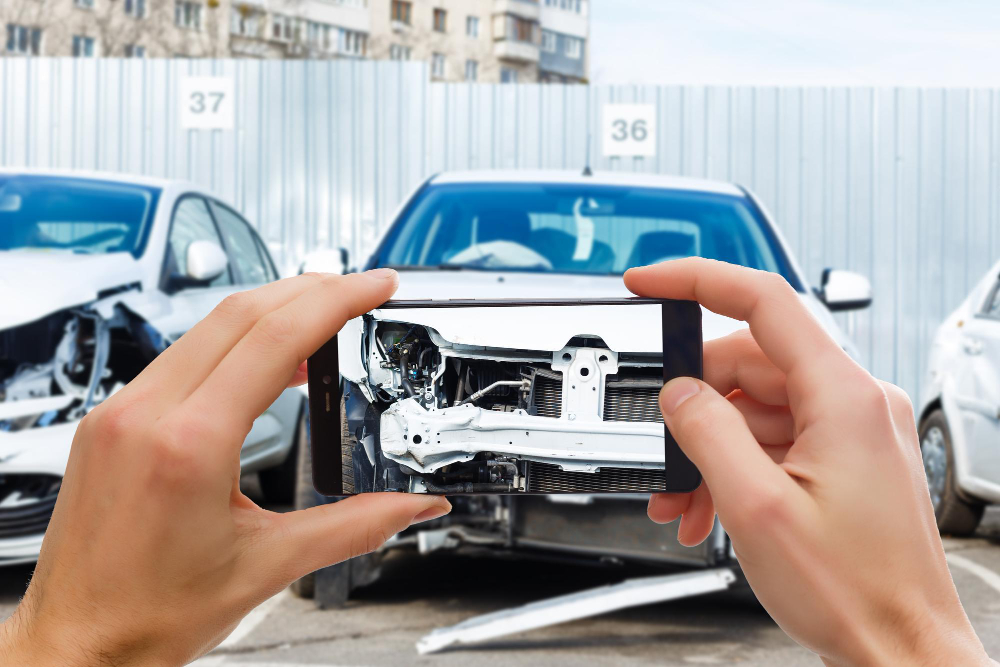
Vehicle Collision damage can range from small dents to serious structural issues that affect your vehicle’s safety and performance. Common types of collision damage include dents, scratches, bumper damage, broken glass, and frame issues. What may look like minor damage can sometimes lead to bigger problems if not repaired properly. Understanding these common types and how they are fixed helps you make better decisions after an accident.
Let’s take a closer look at each type of damage and the repair methods used to restore your vehicle.
What is Collision Damage?
Collision damage refers to any physical harm caused to a vehicle during an accident or impact. This can include visible issues like dents, scratches, and broken parts, as well as hidden problems such as frame misalignment or suspension damage.
The severity of collision damage depends on the type of impact and speed involved. Even minor damage can affect your car’s appearance and long-term performance, which is why proper inspection and repair are important after any accident.
Common Types of Collision Damage You Should Know
Before going into details, here are the most common types of collision damage you may notice after an accident:
1. Dents and Dings
Dents and dings are minor body damages caused by low-speed impacts, parking accidents, or door strikes. While small, they can weaken paint protection and reduce vehicle appearance if not repaired promptly.
2. Scratches
Scratches occur when the paint surface is scraped by objects, debris, or collisions. Light scratches affect clear coat layers, while deeper scratches expose metal, increasing the risk of rust and long-term deterioration.
3. Bumper Damage
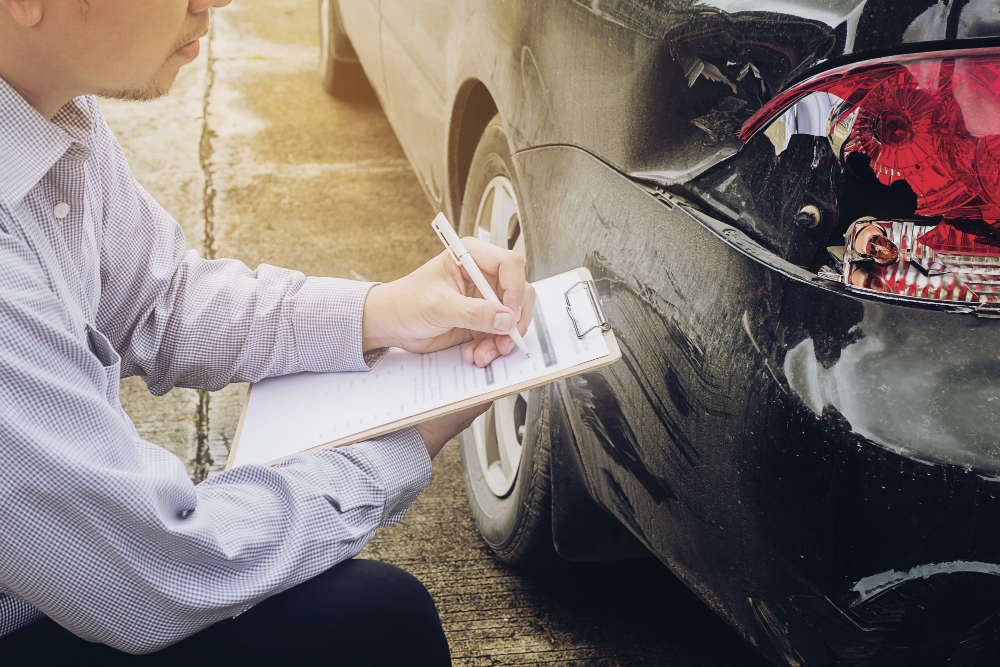
Bumper damage includes cracks, dents, or loosened mounting caused by front or rear impacts. Modern bumpers also house sensors and cameras, meaning damage may affect safety systems and parking assistance functionality.
4. Broken Glass
Broken or cracked glass compromises visibility and vehicle safety. Windshield damage can spread quickly due to vibration or temperature changes, making timely repair or replacement essential to maintain structural integrity and driver protection.
5. Frame Damage
Frame damage occurs when a vehicle’s structural foundation bends or shifts during a collision. Even minor misalignment can affect driving stability, safety performance, and long-term durability, requiring professional inspection and precision repair.
6. Alignment Issues
Alignment issues happen when wheels or suspension components shift after impact. Drivers may notice pulling to one side, uneven tire wear, or steering instability, all of which reduce driving control and fuel efficiency.
7. Panel Damage
Panel damage involves dents, crushing, or deformation of doors, fenders, or the hood. Beyond cosmetic concerns, damaged panels may interfere with door operation, aerodynamics, and overall vehicle structural protection.
8. Paint Damage
Paint damage includes chips, peeling, fading, or cracking caused by impact or abrasion. Exposed surfaces become vulnerable to corrosion and environmental damage, making refinishing important for both protection and visual restoration.
9. Suspension Damage
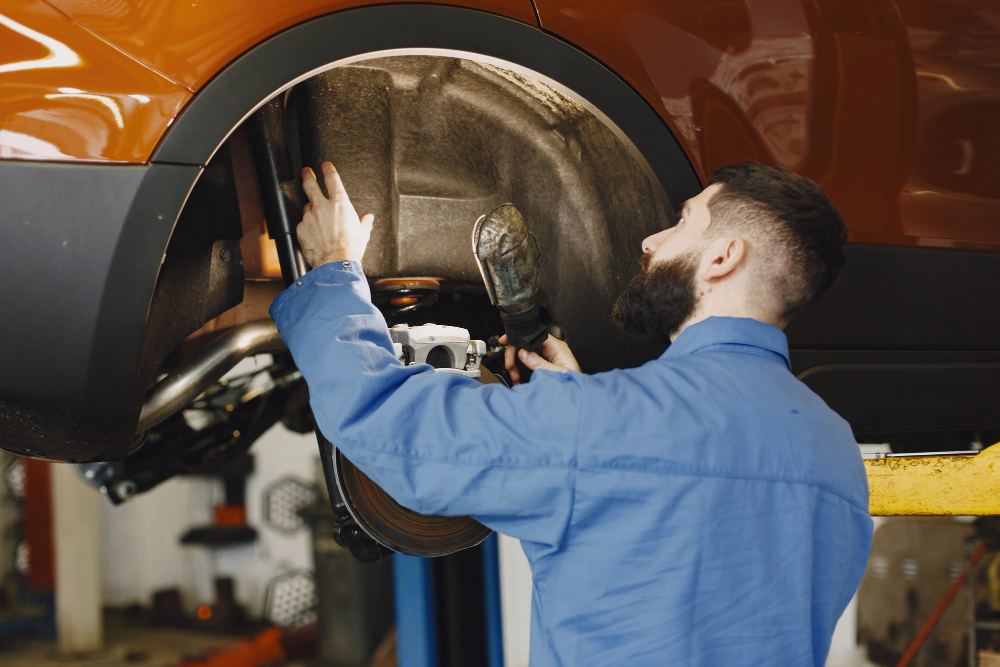
Suspension damage affects shocks, struts, or control arms following a collision. Symptoms include uneven handling, vibrations, or reduced ride comfort, which can compromise braking performance and overall vehicle safety if left untreated.
Small Damage That Looks Worse Than It Is
Not all damage means a major repair. Some of the most common issues are quick to fix.
-
Dents and Dings
These usually happen in parking lots or low-speed bumps.
Fix: Technicians use paintless dent repair to push the dent out from behind the panel. No repainting is needed if the paint is intact.
-
Surface Scratches
Light scratches only affect the top layer of paint.
Fix: Polishing or buffing removes them and restores the shine.
These small fixes are fast and help your car look clean again without high costs.
Damage That Affects Your Car’s Look and Protection
Some damage goes beyond appearance and needs proper repair to avoid bigger problems later.
-
Deep Scratches and Paint Damage
When scratches expose metal, rust can start forming.
Fix: The area is sanded, primed, and repainted with color matching so it blends perfectly.
-
Bumper Damage
Bumpers absorb impact but can crack or break.
Fix: Minor cracks can be repaired, but severe damage often requires a full replacement. Sensors are also checked after repair.
Fixing these early protects your car from further damage and keeps it safe.
Safety Related Damage You Should Not Ignore
Some types of collision damage directly affect how safe your car is to drive.
-
Broken Windshield or Windows
Cracks reduce visibility and weaken the structure of your vehicle.
Fix: Damaged glass is removed and replaced with new, properly sealed glass.
-
Suspension and Alignment Issues
You may notice the car pulling to one side or uneven tire wear.
Fix: Technicians adjust wheel angles and repair suspension parts to restore smooth driving.
These repairs are important for both safety and comfort on the road.
Serious Structural Damage
This type of damage usually happens in stronger impacts and requires expert handling.
-
Frame Damage
The frame is the core structure of your vehicle. If it bends, everything else is affected.
Fix: Special machines pull and reshape the frame back to factory specifications using precise measurements.
-
Heavy Panel Damage
Doors, fenders, or the hood may be too damaged to repair.
Fix: Damaged panels are removed and replaced, then painted to match the rest of the car.
These repairs take more time but are necessary to restore your vehicle fully.
How the Repair Process Usually Works
When your car goes in for repair, understanding each stage helps you feel confident and informed throughout the process. Every step focuses on restoring your vehicle’s safety, performance, and appearance to proper condition.
1. Inspection
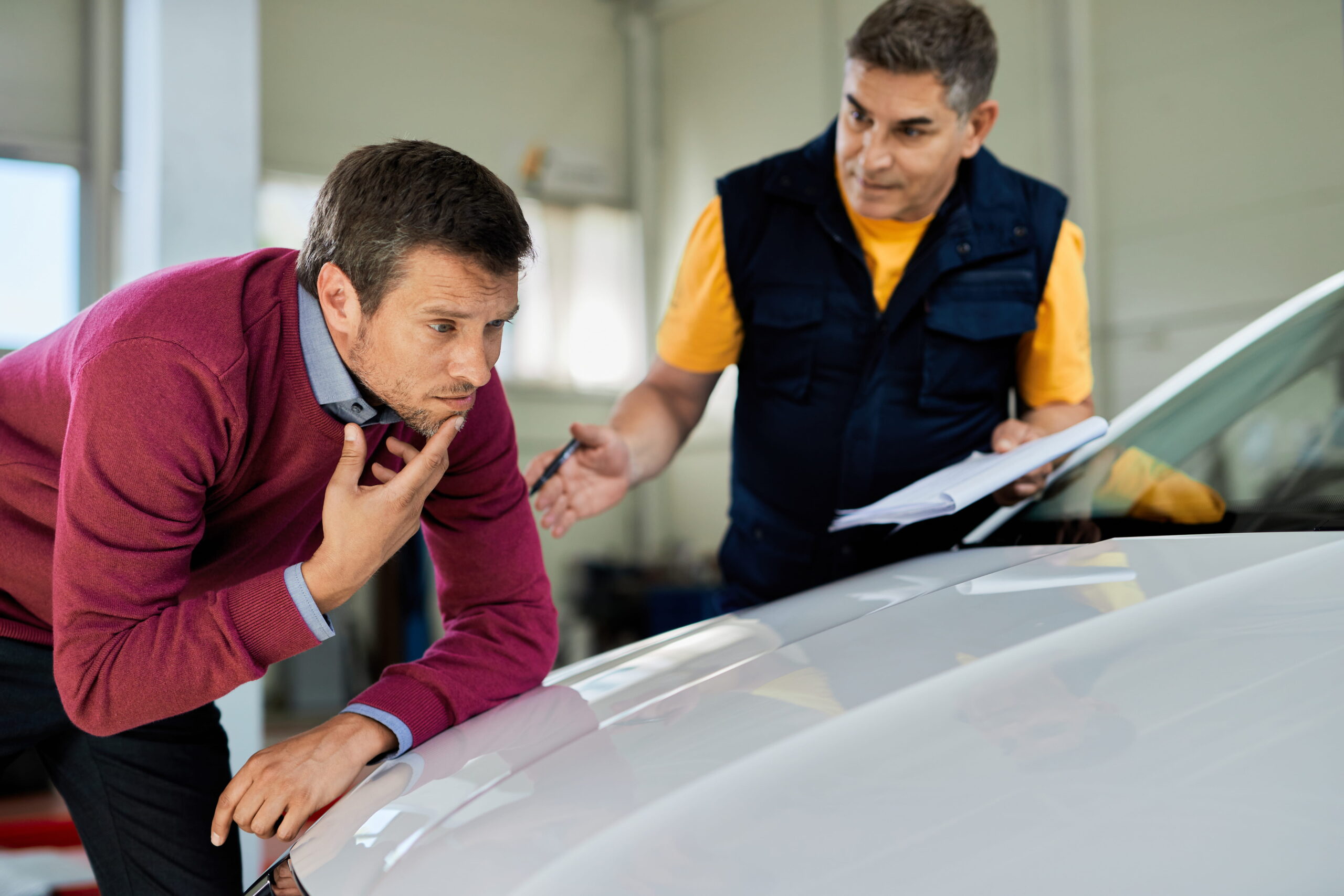
The repair process begins with a comprehensive vehicle inspection. Technicians assess visible damage as well as hidden structural or mechanical issues to determine the full extent of the collision impact and required repairs.
2. Estimate
After inspection, you receive a detailed repair estimate outlining costs, required parts, labor, and expected timelines. This step ensures transparency, allowing you to understand the repair scope before approving the work.
3. Repair Work
Once approval is given, skilled technicians begin repairing the vehicle using professional tools and manufacturer-recommended methods. Structural, mechanical, and cosmetic damages are carefully restored to bring the vehicle back to proper condition.
4. Paint Matching and Finishing
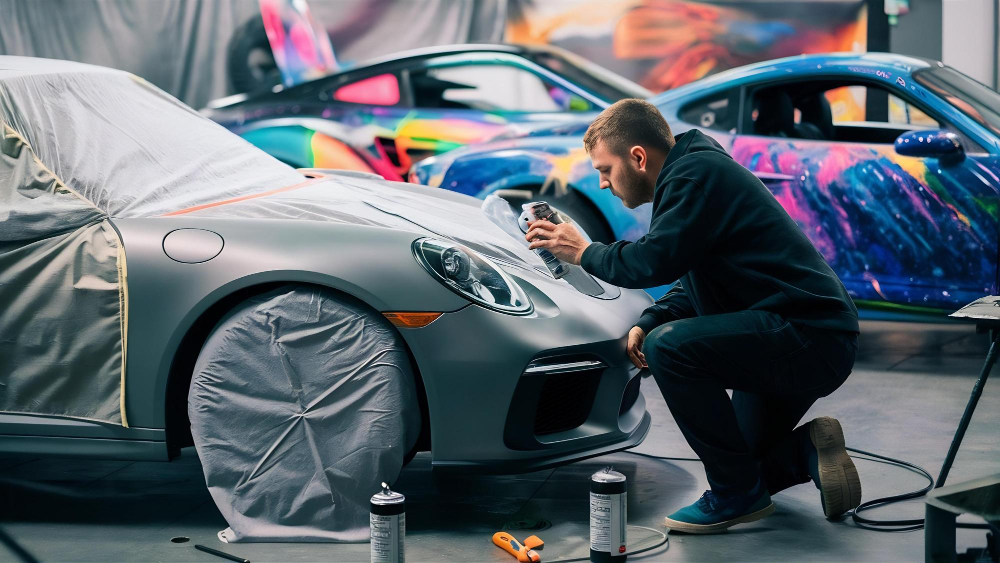
Repaired areas are professionally painted and color-matched to blend seamlessly with the original finish. Advanced paint techniques ensure consistency in color, texture, and shine for a factory-quality appearance.
5. Final Quality and Safety Check
Before delivery, a final inspection is completed to verify repair accuracy and safety standards. Technicians confirm that all systems function correctly, ensuring the vehicle is safe, reliable, and road-ready again.
Following this structured repair process ensures your vehicle is restored professionally and returned in optimal driving condition.
Simple Tips Before You Get Repairs Done
Taking the right steps early can save time and money.
- Take Photos: Capture clear images of all damage right after the accident. These photos help with insurance claims and provide a record of the condition.
- Get an Estimate: Always request a full repair estimate before approving any work. This helps you understand costs and avoid unexpected charges later.
- Ask About Timelines: Check how long the repairs will take so you can plan accordingly. This also helps you arrange alternative transportation if needed.
- Review Insurance Coverage: Contact your insurance provider to confirm what is covered under your policy. Understanding your deductible and coverage can prevent confusion.
- Choose a Trusted Shop: Go with a repair shop that has experience and good customer reviews. A reliable team ensures better results and long-term peace of mind.
These steps help you avoid surprises and make better decisions.
Final Thoughts
Collision damage can look confusing at first, but understanding the type of damage and how it is fixed makes the process much easier. From small dents to serious structural repairs, each issue has a proper solution when handled by professionals.
At Spartan Collision, every collision repair is handled with care and precision. Our team focuses on restoring your vehicle’s safety, performance, and appearance so you can get back on the road with confidence. If your car has been in an accident, reach out today and let our experts guide you through the repair process.
FAQs
- What are the different types of collision damage?
Collision damage includes dents, scratches, bumper damage, broken glass, frame damage, and alignment issues. Each type varies in severity and requires a specific repair method.
- What are the most common types of collision damage?
The most common types are dents, paint scratches, and bumper damage from low-speed impacts. These are usually easier and quicker to repair.
- What are the types of collisions that cause vehicle damage?
Common types include rear-end collisions, side impacts, head-on collisions, and parking accidents. Each type affects different parts of the vehicle.
- How is collision damage usually repaired?
Collision damage is repaired through dent removal, repainting, part replacement, or frame straightening. The method depends on the severity of the damage.
- Can all types of collision damage be fixed?
Most collision damage can be repaired using modern tools and techniques. Severe structural damage may require part replacement instead of repair.